All Articles
GET STARTEDIt’s so simple it’s obnoxious. Once you read this, you’re going to be kicking yourself for not thinking of it sooner.Â
When you’ve been unsuccessful at preventing a tantrum (don’t worry, it happens to us all), you need to know how to stop said tantrum. I’m sure if you’re reading this, you’ve alread...
If you’re a parent, you know that meltdowns are the absolute worst. You can almost sense something in the air right before they happen. You pushed too hard, stayed out too late, asked your kid to do one thing too many, and suddenly, your kid is losing their mind. They’re screaming, crying, dropping ...
As a fellow parent and teacher, I’m all too familiar with the preschool power struggle. You ask your child or student to do something seemingly innocuous, and they decide this is it - they’re going all in and refusing to do what you’ve asked. Maybe you ask them to sit on the rug, or pick something u...
School breaks bring fun, family time, and a major change in routine, but for many children with autism, ADHD, or other behavioral challenges, that change can feel overwhelming. Predictability is comforting. Structure helps them regulate. Routines make the world feel safe.
But holidays bring late be...
Teaching gratitude to children with autism or ADHD can be tough, especially when your child communicates differently, becomes easily overwhelmed, or struggles with abstract concepts. But gratitude isn’t just a social skill. It supports emotional regulation, strengthens relationships, and helps kids ...
Halloween is almost here! Costumes are ready, candy is bought, and excitement is in the air! But for some families, this night can be full of surprises, sensory overload, and unexpected stress.
Don’t worry! With a few last-minute strategies, you can make Halloween enjoyable for your child, less str...
Halloween is filled with excitement; glowing pumpkins, friendly neighbors, and endless candy! But for many young kids with autism, the social parts of Halloween (saying hello, knocking on doors, or thanking someone for candy) can be tricky and feel overwhelming.
That’s where this week’s parent coac...
Communication between parents and teachers is vital for the success of children with autism in educational settings. By implementing a few simple strategies, parents can enhance their communication with teachers, ensuring the best support for their child's learning and development.
Establish Open C...
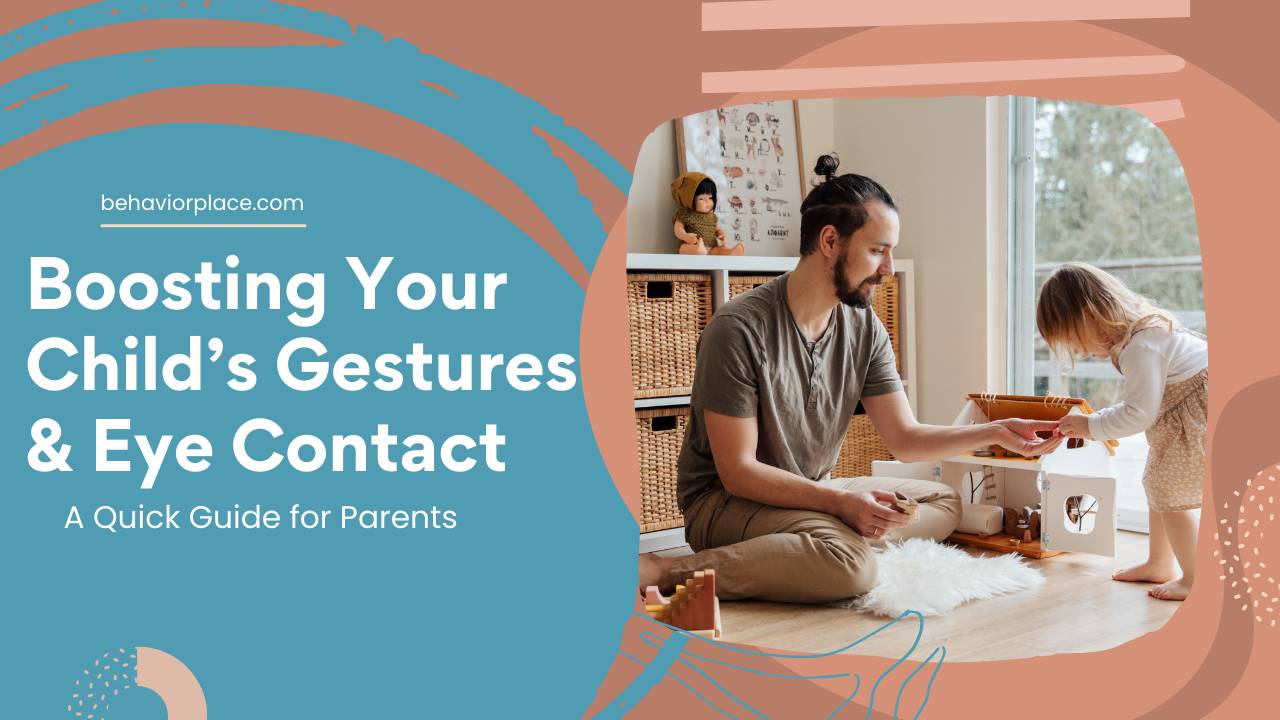
Early skills such as gestures (waving, pointing, clapping) and eye contact are important building blocks for social communication. If your child rarely uses gestures or avoids making eye contact with others, you can help your child strengthen these skills through play.
What to Do
Imitate your chil...
With September quickly approaching, the prospect of preparing your child for school might seem daunting. However, with the right strategies and consistent implementation of Applied Behavior Analysis (ABA) techniques, you can help your child build essential skills to thrive in a school environment. I...
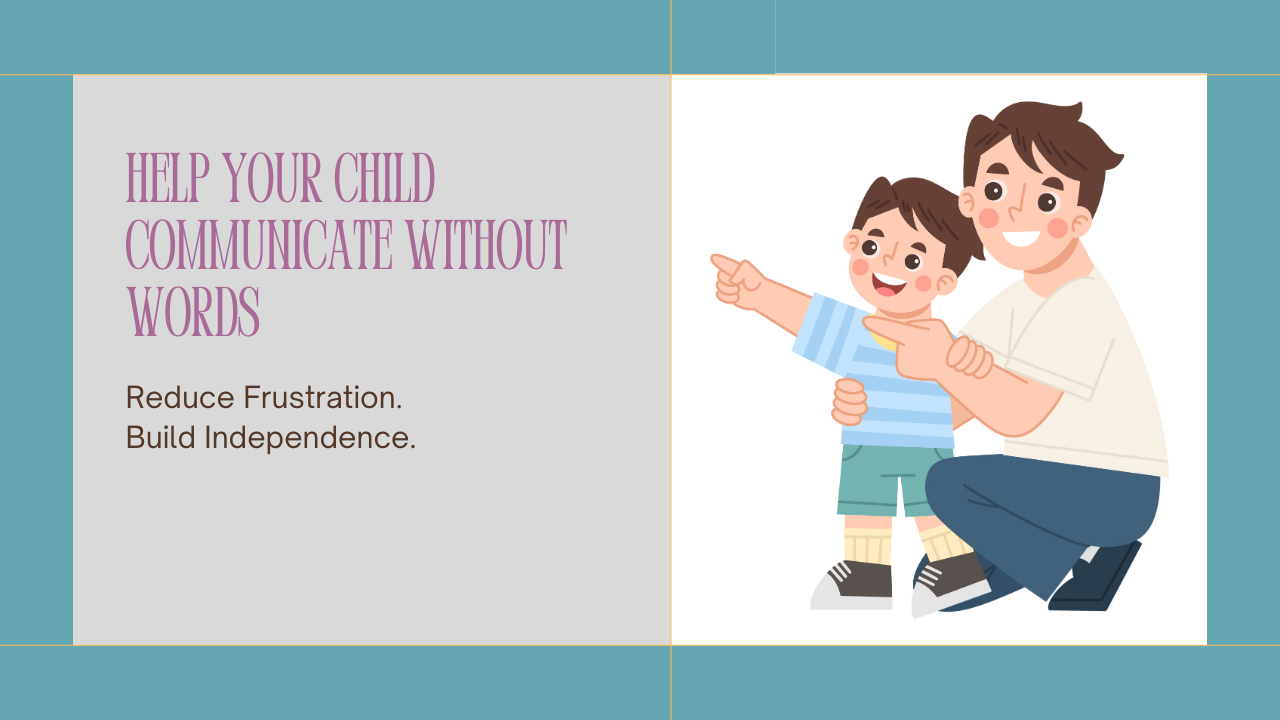
Children who don't have a reliable way to communicate with others often cry, scream, or tantrum when the people around them are unable to figure out what it is that they want or need. As a result, parents and caregivers of children who frequently meltdown when they can't make themselves understood a...
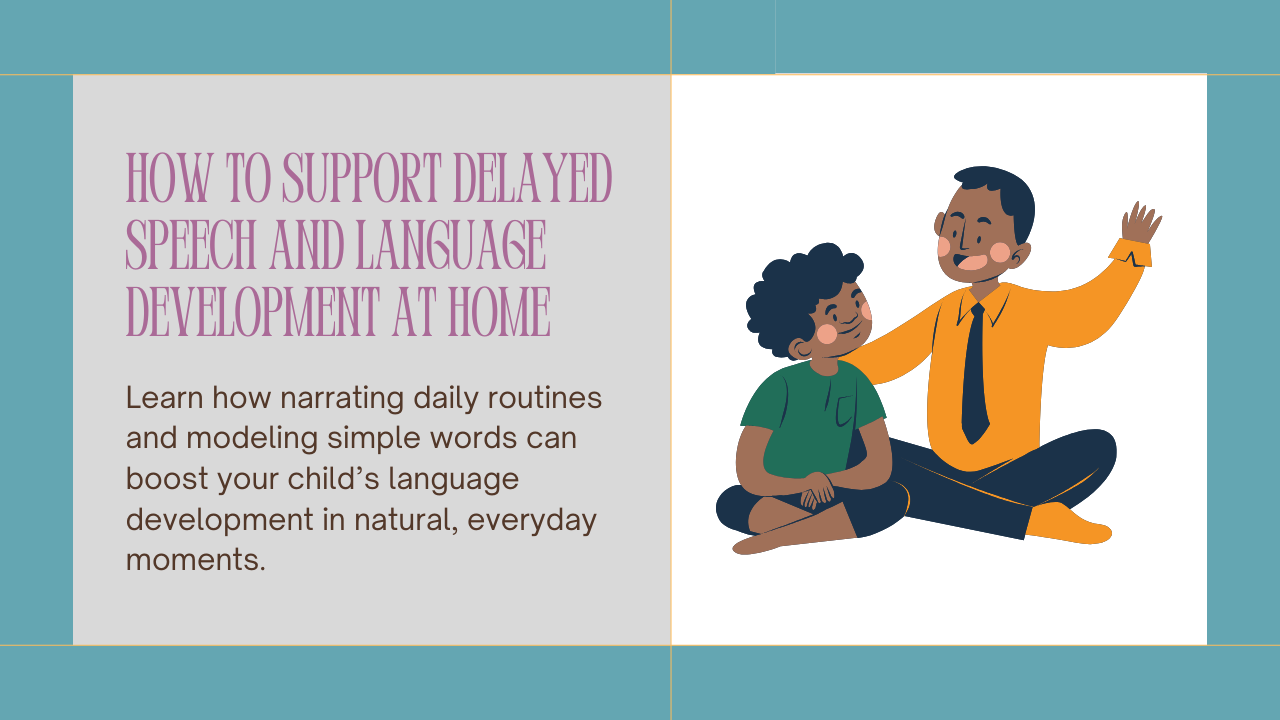
One of the most effective ways to support your child’s communication growth is something simple you can start doing right now: narrating your day and modeling simple words.
What to Do: Narrate What You're Doing and Model Simple Words
You don’t need flashcards or fancy toys to help your child devel...