All Articles
GET STARTEDAs a fellow parent and teacher, I’m all too familiar with the preschool power struggle. You ask your child or student to do something seemingly innocuous, and they decide this is it - they’re going all in and refusing to do what you’ve asked. Maybe you ask them to sit on the rug, or pick something u...
Teaching gratitude to children with autism or ADHD can be tough, especially when your child communicates differently, becomes easily overwhelmed, or struggles with abstract concepts. But gratitude isn’t just a social skill. It supports emotional regulation, strengthens relationships, and helps kids ...
For many parents of children with autism or ADHD, family activities can feel unpredictable. Maybe your child loses interest quickly, resists participating, becomes dysregulated, or seems more focused on “what’s next” than what’s happening right now.
But there’s a simple, powerful tool that can turn...
The holidays are all about family, food, and connection. But for a lot of parents, family gatherings can also bring stress, especially when your child struggles with sharing, turn-taking, or waiting their turn.
If you’ve ever found yourself holding your breath during a cousin toy battle or a meltdo...
Halloween is almost here! Costumes are ready, candy is bought, and excitement is in the air! But for some families, this night can be full of surprises, sensory overload, and unexpected stress.
Don’t worry! With a few last-minute strategies, you can make Halloween enjoyable for your child, less str...
Halloween is filled with excitement; glowing pumpkins, friendly neighbors, and endless candy! But for many young kids with autism, the social parts of Halloween (saying hello, knocking on doors, or thanking someone for candy) can be tricky and feel overwhelming.
That’s where this week’s parent coac...
Halloween can be an exciting (and overwhelming) time for your toddler or preschooler with autism. New costumes, flashing lights, unexpected sounds, and unfamiliar routines can make the big night feel really stressful.
With just a few simple practice runs, you can make Halloween fun and predictable ...
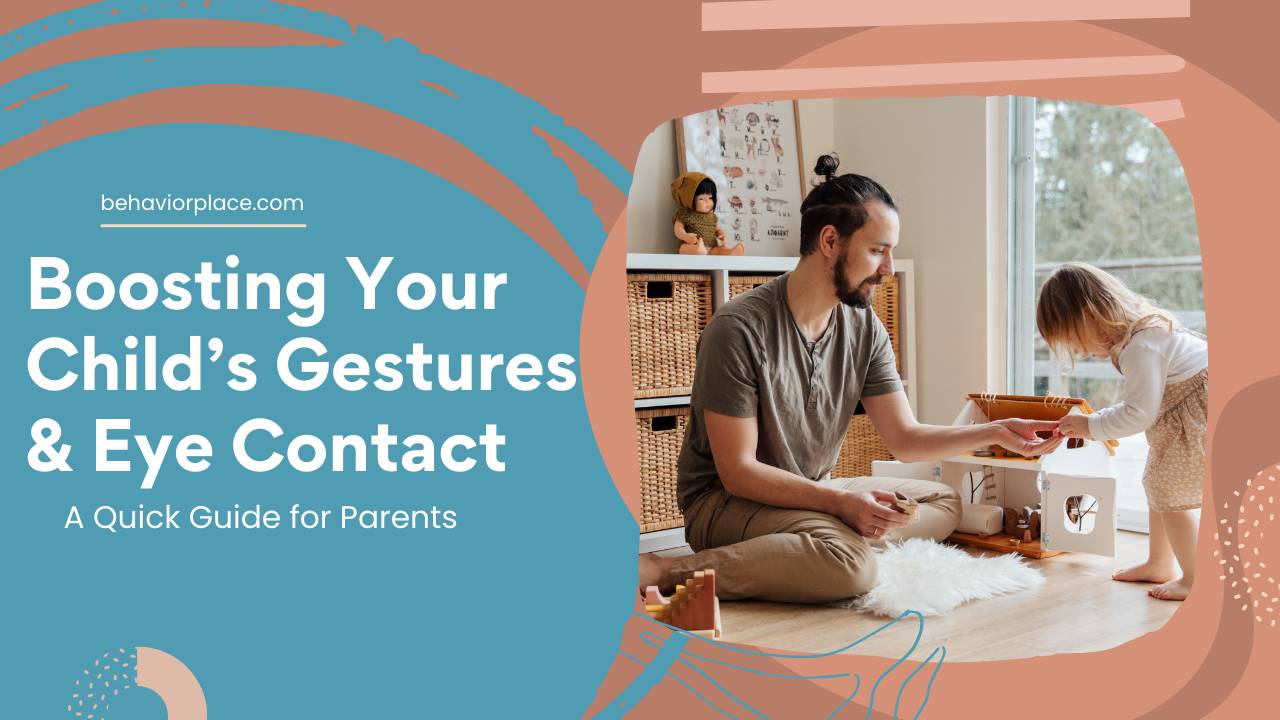
Early skills such as gestures (waving, pointing, clapping) and eye contact are important building blocks for social communication. If your child rarely uses gestures or avoids making eye contact with others, you can help your child strengthen these skills through play.
What to Do
Imitate your chil...
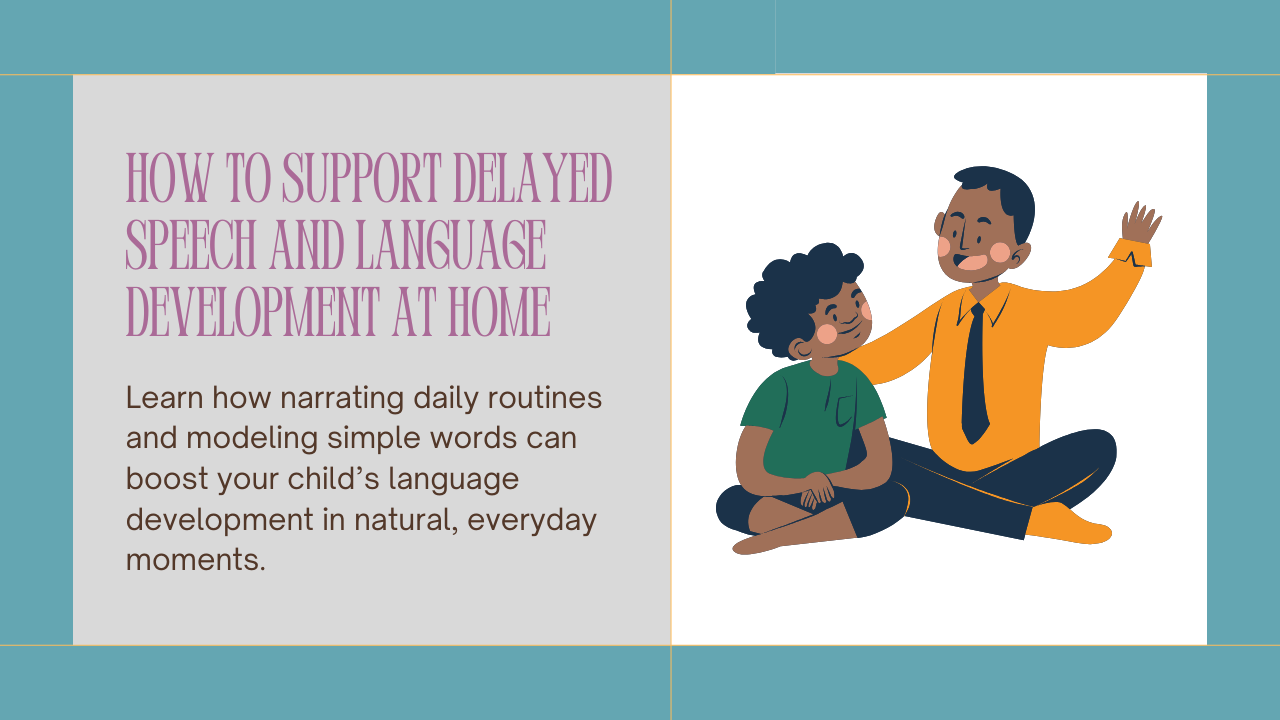
One of the most effective ways to support your child’s communication growth is something simple you can start doing right now: narrating your day and modeling simple words.
What to Do: Narrate What You're Doing and Model Simple Words
You don’t need flashcards or fancy toys to help your child devel...
Supporting your child’s play and language development can feel overwhelming, especially if your toddler or preschooler has autism. But what if you had practical, evidence-based strategies that make a difference?
In this guide, we’ll walk you through 7 Proven Play & Language Strategies designed to f...
As a parent, navigating tantrums, difficult transitions, and communication delays can feel overwhelming. You may be at your wits end, wondering when you’ll be able to go about your day without walking on egg shells around your child. Applied Behavior Analysis (ABA) therapy has been a game-changer fo...
Parenting a child with autism is a journey filled with questions, milestones, and endless love. One of the most impactful tools you can have on this journey is Applied Behavior Analysis (ABA) therapy. Backed by decades of research, ABA therapy helps children with autism develop critical life skills,...